
The world is facing unprecedented challenges. Businesses, governments, and society must collaboratively navigate an increasingly unpredictable and rapidly evolving global landscape. At the same time, there are significant strategic opportunities to make the green transition sustainable and inclusive.
In response, we are working with our members to build strong partnerships that foster synergies between international trade and development cooperation.
To improve business conditions in complex markets
Our long-term mission is to improve the conditions for sustainable business and promote inclusive and resilient economic development in low- and middle-income countries. Through meaningful engagement with stakeholders, we help our members and partners turn complexity into opportunity by addressing the essentials for a sustainable future.
Prosperity in low- and middle-income countries that creates long-term opportunities for trade.
NIR is a member-based non-profit organisation. Our members represent some of Sweden’s largest export companies and the financial sector. NIR has employees in Stockholm and regional coordinators in Nairobi, Johannesburg, Hanoi and Bogotá.
“The competitiveness of Swedish companies is close to my heart and I truly believe that they should be present in all corners of the world. It is only through presence that you can serve as a role model, influence and contribute..”
By maintaining long-term commitment in an increasingly short-sighted world, we contribute to a green transition grounded in stable institutions, transparency, and respect for human rights. Turning risks into practical action, we build and sustain the bridge between commerce and community – enabling responsible investments and reducing the drivers of disinvestment.
We bring Swedish industry’s long-term, sustainability-focused approach into collaboration with development actors – aligning responsible business conduct with broader development goals for lasting, inclusive impact.
The global landscape is fracturing. Geopolitical competition is intensifying, multilateral cooperation is weakening, and development progress is stalling in the places that can least afford it.
The WEF Global Risks Report 2025 describes escalating geopolitical, environmental and technological challenges threatening stability across regions. In the near term, state-based conflict, extreme weather and disinformation dominate the risk horizon. Over the next decade, biodiversity loss, ecosystem collapse and resource scarcity move to the fore.
The financing gap is widening. Developing countries face tighter financial conditions, weakened export performance and eroding fiscal buffers. Debt servicing costs divert critical resources from education, health and infrastructure — precisely where investment is most needed.
The human cost is measurable. UNDP data shows the smallest increase in human development in over three decades, with inequalities between high- and low-income countries widening for the fourth consecutive year.
These risks compound each other. They land hardest in low- and middle-income countries — the markets where responsible, long-term investment has the most to offer and the most to lose.
When capital, capabilities and compliance align with responsible business principles, investment scales impact: reduced poverty, stronger value chains and faster progress toward inclusive, sustainable growth.
The escalating impact of climate change increase the demand for green investments, particularly in sectors transitioning to sustainable energy and the extraction of transition minerals. Swedish industry, while well-positioned to lead in green technologies, face the challenge of sustainablity in the markets that are crucial sources of minerals like cobalt and lithium, necessary for green technologies. The environmental costs of extraction, coupled with weak governance frameworks, complicate efforts to ensure that these investments are truly sustainable.
The “great financial divide” and high levels of debt distress in many Low-and Middle income countries limit access to affordable financing for ESG-related projects. Swedish companies and industries aiming to engage with sustainable investments in these regions may find it challenging as risk are due to the inability of these countries to raise sufficient resources or secure affordable borrowing terms for necessary investments.
Economic disruptions caused by global events, such as Russia's invasion of Ukraine and conflicts in the Middle East, have resulted in increased energy and commodity prices, inflation, and supply chain disruptions. Swedish companies operating in these markets, or sourcing from them, face a more volatile economic environment. This volatility challenges the reliability of partnerships and reduces the predictability needed for companies to engage in long-term ESG investments
The introduction sustainability requirements, Swedish industries with wast global value chains face compliance and sustainbility issues when working with the supply chain in complex markets.
Worsening economic inequality poses a major challenge to ESG goals. With 71% of the global population living in countries where inequality is increasing, this growing divide restricts access to resources, sustainable opportunities, and capital for low- and middle-income countries..
Weak democratic institutions can lead to corruption, resource mismanagement, and instability, complicating responsible business practices and governance.
Many of the most severe human rights and environmental risks lie beyond any single company’s control, meaning the impact of responsible business conduct remains limited unless paired with broader, system-level action. Through partnerships, we enable a more integrated and comprehensive approach to risk management that delivers better outcomes for people and planet. Acting as a nexus between aid and trade, we provide de-risking tools and due-diligence support grounded in in-country and sector expertise.
The escalating impact of climate change increase the demand for green investments, particularly in sectors transitioning to sustainable energy and the extraction of transition minerals. Swedish industry, while well-positioned to lead in green technologies, face the challenge of sustainablity in the markets that are crucial sources of minerals like cobalt and lithium, necessary for green technologies. The environmental costs of extraction, coupled with weak governance frameworks, complicate efforts to ensure that these investments are truly sustainable.
The “great financial divide” and high levels of debt distress in many Low-and Middle income countries limit access to affordable financing for ESG-related projects. Swedish companies and industries aiming to engage with sustainable investments in these regions may find it challenging as risk are due to the inability of these countries to raise sufficient resources or secure affordable borrowing terms for necessary investments.
Economic disruptions caused by global events, such as Russia's invasion of Ukraine and conflicts in the Middle East, have resulted in increased energy and commodity prices, inflation, and supply chain disruptions. Swedish companies operating in these markets, or sourcing from them, face a more volatile economic environment. This volatility challenges the reliability of partnerships and reduces the predictability needed for companies to engage in long-term ESG investments
The introduction sustainability requirements, Swedish industries with wast global value chains face compliance and sustainbility issues when working with the supply chain in complex markets.
Worsening economic inequality poses a major challenge to ESG goals. With 71% of the global population living in countries where inequality is increasing, this growing divide restricts access to resources, sustainable opportunities, and capital for low- and middle-income countries..
Weak democratic institutions can lead to corruption, resource mismanagement, and instability, complicating responsible business practices and governance.
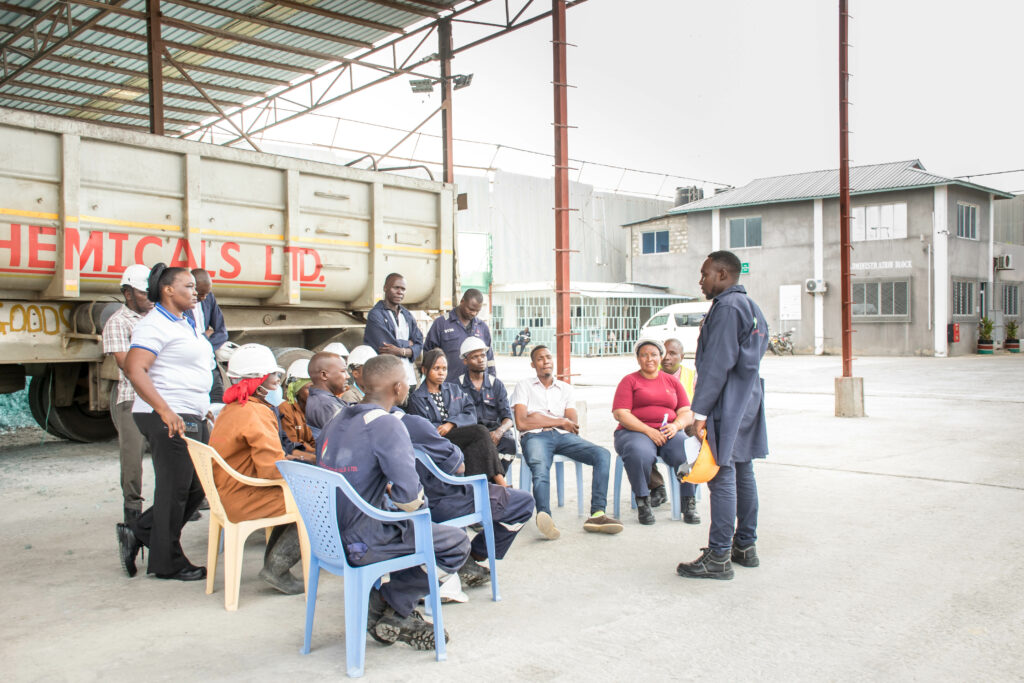
NIRs operations contribute to many different results. On a daily basis our partners and members take part in the organisational capacity development or networks and meetings that we provide. We create outputs and outcomes that support our partners short- and long-term changes towards a more responsible business environment. This consists of business actors with good practices in place with transperent ongoing procesees for due diligence and decent work conditions. A responsible bussiness environment is marked by having the right conditions. Companies, trade unions, goverments and communities have the spaces and capacity to participate and find joint solutions to the just green transition. This will make way for fincncing of solutions and projcets in national development plans that will lead to a inclusive econmic development. A responsible business environment improves the competitiveness of Swedish Industry. It pave the way for a sustainable presence of swedish industry and are conducive for more trade and exports.
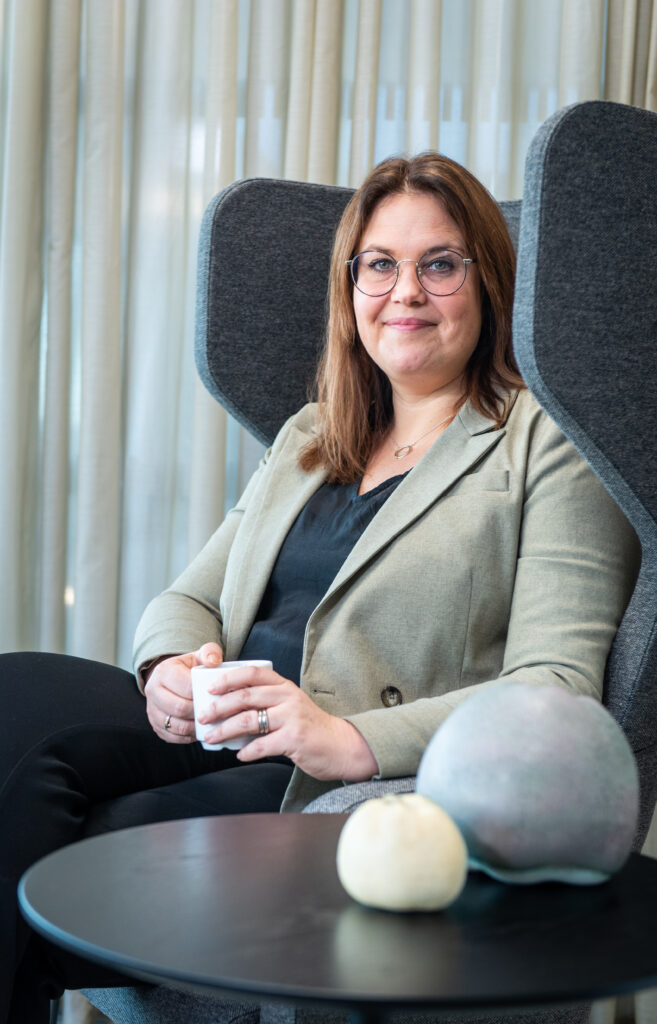
“Population growth, urbanisation, digitalisation and environmental concerns require that we go beyond rotation as we have known it for the past 115 years. Going forward, we need new standards and new partnerships for the development of clean technology solutions that improve energy efficiency and contribute to the necessary reduction of CO2 emissions across industries.”
Team Sweden is a network of government authorities, agencies and Swedish companies that support major infrastructure projects globally, with the aim to contribute to the development of sustainable projects.
This executive summary presents the findings from the study “Workplace Cooperation: Finding Practical Solutions in the Colombian Context,” conducted by the Fundación Ideas para la Paz (FIP). The study evaluates the added value of the Swedish Workplace Programme (SWP) dialogue and cooperation model within the Colombian labor market.
Throughout 2022, FIP dedicated efforts to thoroughly understand the SWP model, including its concept, foundations, implementation process, and contributions to the labor market. In 2023, FIP documented the experiences of three companies—SKF Latin Trade, Securitas, and Epiroc—that implemented the SWP model in practice. The study also included face-to-face workshops to gather feedback from various stakeholders including civil society, businesses, government, academia, and international cooperation. The findings suggest that the SWP model has the potential to strengthen labor relations, contribute to decent work, and resolve workplace conflicts in Colombia.
The case studies highlight the importance of collaboration between employers and workers to promote decent work and sustainable development in Colombia. They demonstrate that social dialogue facilitates worker participation in labor decision-making, enhances their representativeness, and promotes cooperation between employers and employees, thus improving labor relations and contributing to the well-being of both employees and companies.
The SWP model is particularly noted for improving workplace relationships and commitment to jointly finding solutions to challenges faced by workers and the company. It empowers workers, enhances leadership, and helps integrate business policies into daily practices, reducing the initial disconnect between management objectives and the day-to-day realities of workers. The study also highlights the model’s capacity to manage conflicts constructively, transforming the perception of conflict as an opportunity for improvement. Structured dialogues deepen understanding of the underlying causes of conflicts, fostering empathy and facilitating effective resolution. This promotes a culture of collaboration and a democratic approach to decision-making, building trust.
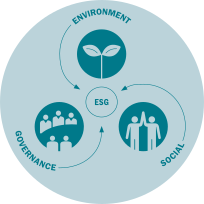
Additionally, the model is recognized for enabling workers to make decisions, identify challenges, and propose solutions that impact their well-being, and bridging gender gaps in the workplace. Its inclusive approach adapts to the unique needs and characteristics of each company, promoting a stronger and more diverse organizational culture. It also drives good work performance and productivity by involving workers in problem identification and resolution, as well as in implementing improvements and efficiently identifying ESG (Environmental, Social, and Governance) risks for companies.
The document identifies the SWP model’s added value in empowering direct interaction among labor stakeholders in Colombia, overcoming historical or cultural reservations, and contributing to the development of stronger labor relations and improved workplace environments in the country.
Challenges and opportunities of the model are also discussed. The study points out the importance of addressing value chain risks, particularly in a global context where corporate clients demand decent work processes and due diligence. It emphasizes the need to integrate SMEs into this process and use anchor companies as drivers of social dialogue throughout the value chain. The role of the state in social dialogue and the importance of highlighting the benefits of the model for adoption across various business sectors are discussed.
The opportunities of the model include raising awareness of human rights in the workplace in line with the United Nations Guiding Principles (UNGP), to strengthen due diligence, manage risks, promote long-term sustainability, and improve organizational culture. The document also underscores the importance of involving workers in change processes, leveraging their insights for continuous improvement of processes, and fostering innovation opportunities. Lastly, it suggests replicating the model in value chains to address work environment risks and gender biases, involving suppliers and contractors, and integrating the model into corporate policies to strengthen existing programs and transform organizational culture towards resource efficiency and effective participation of employers and workers.